10 Diamond Facts You Might Not Know (But Definitely Should)
Diamonds are one of the most talked-about — and often misunderstood — gemstones in the world.
Most people know about the 4Cs, but beyond that? There’s a whole world of fascinating detail that can completely change how you view (and choose) a diamond.
Whether you’re considering an engagement ring, a bespoke piece, or simply love a bit of gem knowledge, here are ten diamond facts that might just surprise you.
1. Diamonds Are Billions of Years Old
Most natural diamonds formed between 1 and 3 billion years ago, deep within the Earth’s mantle under extreme heat and pressure.
To put that into perspective — they predate dinosaurs, continents as we know them, and pretty much everything else we interact with daily.
2. They’re the Hardest Natural Substance — But Not Indestructible
Diamonds sit at 10 on the Mohs Scale, making them the hardest natural material.
However, “hard” doesn’t mean “tough”.
They can still chip or crack if struck at the right angle — particularly along their natural cleavage planes. This is why setting and design matter just as much as the stone itself.
3. Not All Diamonds Are Colourless
While classic white diamonds are the most well-known, diamonds actually come in a wide range of colours:
Yellow
Pink
Blue
Green
Champagne
Even black
These are known as fancy coloured diamonds, and some (particularly pinks and blues) can be incredibly rare and valuable.
4. The 4Cs Are Only the Starting Point
Cut, colour, clarity and carat are essential — but they don’t tell the whole story.
Two diamonds with identical grading can look completely different in real life. Factors like light performance, proportions and even personality of the stone play a huge role.
This is why seeing diamonds in person (or through trusted sourcing) is so important.
5. Cut Is the Most Important Factor for Sparkle
Of all the 4Cs, cut has the biggest impact on how a diamond looks.
A well-cut diamond reflects light beautifully, creating that signature sparkle. A poorly cut diamond — even with excellent colour and clarity — can appear dull.
6. Diamonds Can Glow Under UV Light
Some diamonds exhibit fluorescence, meaning they glow (usually blue) under ultraviolet light.
This isn’t necessarily a bad thing — in fact, in some cases it can make a diamond appear whiter in daylight.
7. Inclusions Are Like Fingerprints
Most diamonds contain tiny internal features called inclusions.
Rather than flaws, they can be seen as part of the stone’s identity — no two diamonds have exactly the same internal pattern.
8. Carat Doesn’t Equal Size
Carat refers to weight, not size.
Two diamonds with the same carat weight can appear very different in size depending on their cut and proportions.
9. Diamonds Conduct Heat
Diamonds are excellent thermal conductors, which is why they feel cool to the touch.
This property is also used by jewellers to help distinguish real diamonds from some simulants.
10. There’s No Such Thing as “The Perfect Diamond”
It’s easy to get caught up in finding the “perfect” diamond on paper — flawless clarity, top colour, ideal proportions.
But in reality, the best diamond isn’t about perfection… it’s about preference.
Some clients prioritise size, others focus on sparkle. Some love the crisp look of higher colour grades, while others are drawn to warmer tones. Even inclusions can be positioned in a way that makes them virtually invisible to the eye.
What matters most is how the diamond looks to you — not just what it says on a certificate.
Final Thoughts
Diamonds are endlessly fascinating — not just because of their beauty, but because of the science, history and craftsmanship behind them.
Understanding these details doesn’t just make you more informed — it helps you choose a diamond that truly suits you.
Because ultimately, the best diamond isn’t just about specifications.
It’s about how it looks, how it feels, and the story it becomes part of.
Thinking About a Diamond for a Bespoke Piece?
Whether you’re designing an engagement ring or exploring options for a future piece, I’d be happy to guide you through the process — from understanding the details to sourcing something truly special.
Related Articles
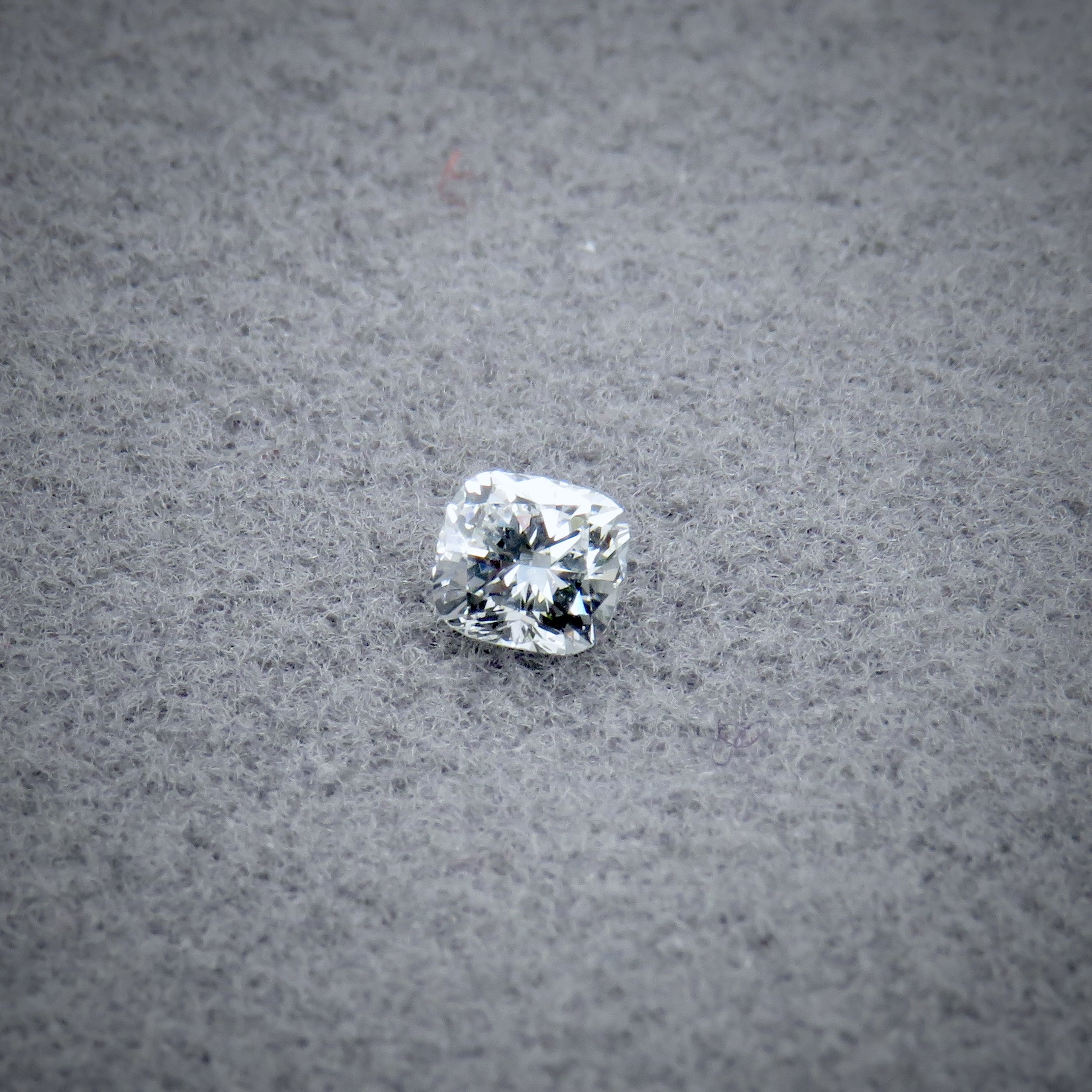
The 4Cs: What it Means For Your Diamond
The likelihood is you’ll have heard the phrase ‘the 4Cs’. But what do these 4Cs mean and how important are they? Read on to find out more
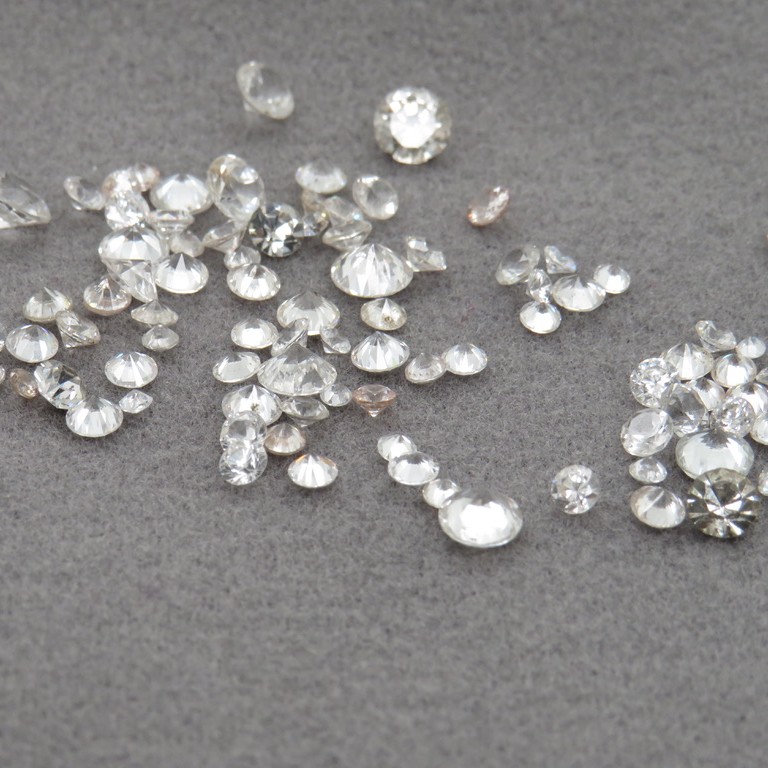
Shape Matters - Choosing the right Diamond Shape for You
Diamond shape can play a big role in how that diamond looks and what setting would suit it best. Find out more about the most common shapes!