Meet the Beryl Family
When people think about gemstones, they often think of each one as entirely separate. Emeralds belong in one category, aquamarines in another, morganites somewhere else entirely. But many of the world’s most beautiful gemstones actually come from the same mineral family: beryl.
From the vivid green of emerald to the soft blush tones of morganite and the cool ocean blue of aquamarine, beryl’s offer an extraordinary range of colours, personalities and price points. They can be classic, contemporary, bold or understated depending on the variety you choose.
If you’re considering a gemstone for an engagement ring, bespoke piece of jewellery or remodel, understanding the beryl family is a great place to start.
What Is Beryl?
Beryl is a naturally occurring mineral made of beryllium aluminium silicate. In its purest state, it is colourless. What makes beryl so fascinating is that tiny trace elements within the crystal structure create completely different colours.
That means one gemstone family can produce several very different stones:
Green – Emerald
Blue – Aquamarine
Pink / Peach – Morganite
Colourless – Goshenite
Yellow – Heliodor (Golden Beryl)
Red – Red Beryl (extremely rare)
Beryl ranks 7.5 to 8 on the Mohs scale (see last month’s blog!) which means it is generally durable enough for jewellery. However, as always with gemstones, hardness is only part of the story. Some varieties are tougher than others, and the way a stone is cut and set matters enormously.
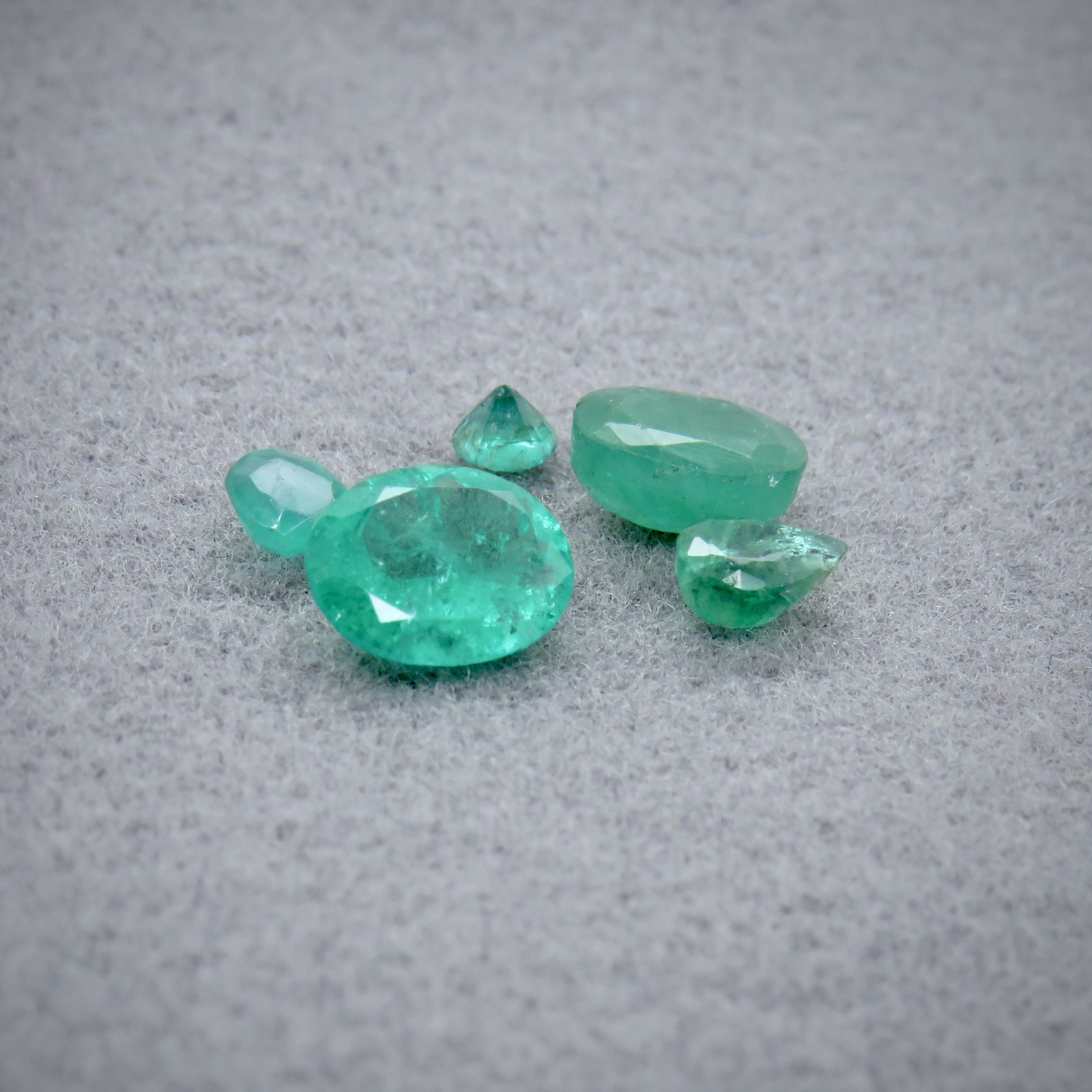
Emerald
Few gemstones are as instantly recognisable as an emerald. Its lush green colour has symbolised wealth, elegance and power for centuries.
The finest emeralds display a rich, vivid green with excellent depth of colour.
Where It Comes From
Some of the best-known emerald sources include:
Colombia
Zambia
Brazil
Ethiopia
Afghanistan
Properties
Mohs hardness: 7.5–8
Often contains visible inclusions
Famous for its internal “jardin” (French for garden)
Pros
✔ Timeless and luxurious
✔ Unique green colour unlike any other gemstone
✔ Strong heritage and desirability
✔ A wonderful statement stone
Cons
✘ Inclusions can make stones more delicate
✘ Needs thoughtful setting and care
✘ Fine quality stones can be expensive
Cost
Emerald pricing varies dramatically depending on colour, clarity, origin and treatment.
Commercial quality: from a few hundred pounds per carat
Fine quality: several thousand pounds per carat
Exceptional stones: significantly more
Fun Fact
Most emeralds are routinely treated with oils to improve clarity. This is normal and widely accepted within the trade.
Aquamarine
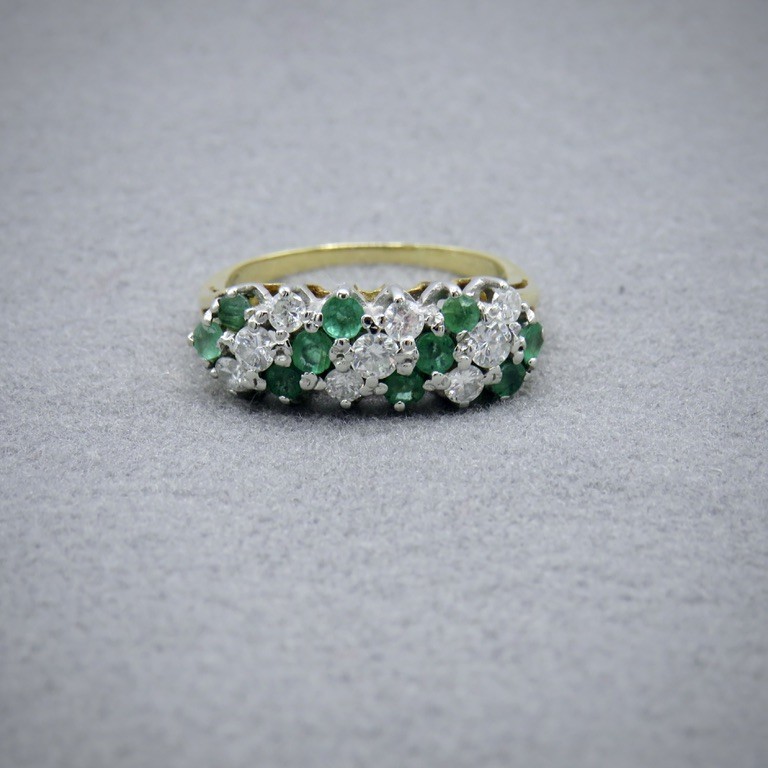
Aquamarine is loved for its serene, watery blue tones. It can range from pale ice blue through to more saturated sea-blue shades.
Elegant, wearable and endlessly versatile, aquamarine suits both modern and classic jewellery beautifully.
Where It Comes From
Common sources include:
Brazil
Nigeria
Madagascar
Pakistan
Mozambique
Properties
Mohs hardness: 7.5–8
Often cleaner than emerald
Usually excellent transparency
Pros
✔ Great for regular wear
✔ Sophisticated and calming colour
✔ Often available in larger sizes
✔ Better value than many precious gemstones
Cons
✘ Paler stones can appear less lively
✘ Deep colour stones command higher prices
Cost
Lighter commercial stones: relatively affordable
Stronger colour / better cut stones: higher
Exceptional stones: premium pricing
Fun fact
Aquamarine is the birthstone for March, making it a meaningful choice for birthday or push presents.
Morganite
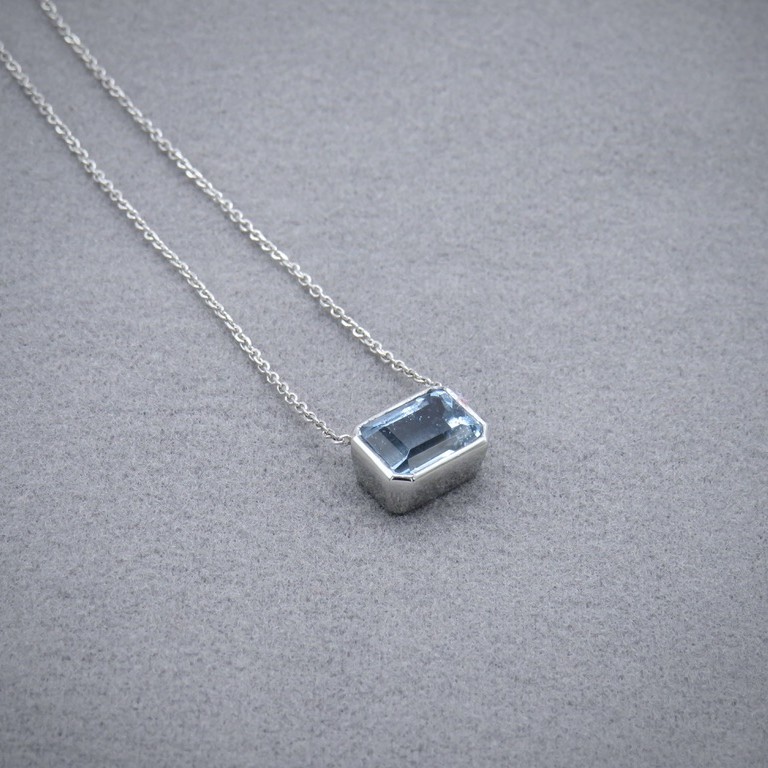
Morganite is known for its delicate pink, peach and blush tones. Romantic and flattering, it has become a favourite for modern engagement rings.
It pairs especially beautifully with rose gold.
Where It Comes From
Key sources include:
Brazil
Madagascar
Mozambique
Afghanistan
Properties
Mohs hardness: 7.5–8
Often eye-clean
Sometimes heat treated to refine colour
Pros
✔ Soft, romantic colouring
✔ Beautiful in contemporary settings
✔ Often available in larger sizes
✔ More affordable than pink diamonds or pink sapphires
Cons
✘ Softer colour may not suit those wanting bold contrast
✘ Pale stones can show dirt more easily
✘ Some stones may fade slightly with prolonged heat or light exposure
Cost
Generally it’s more accessible than many other pink gemstones, with price increasing based on saturation, size and cut.
Fun Fact
Morganite was named after famed banker and gem enthusiast J.P. Morgan.
Goshenite
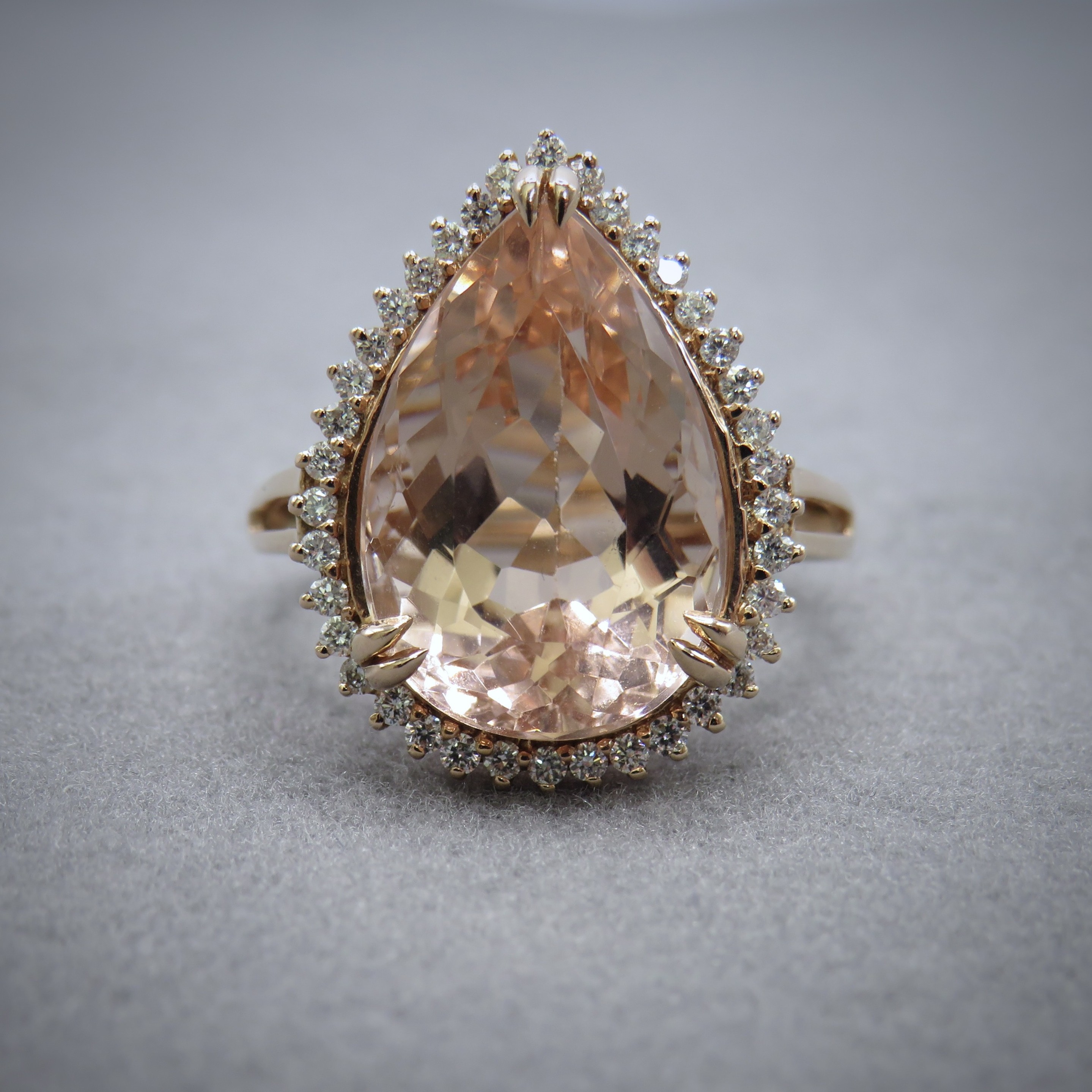
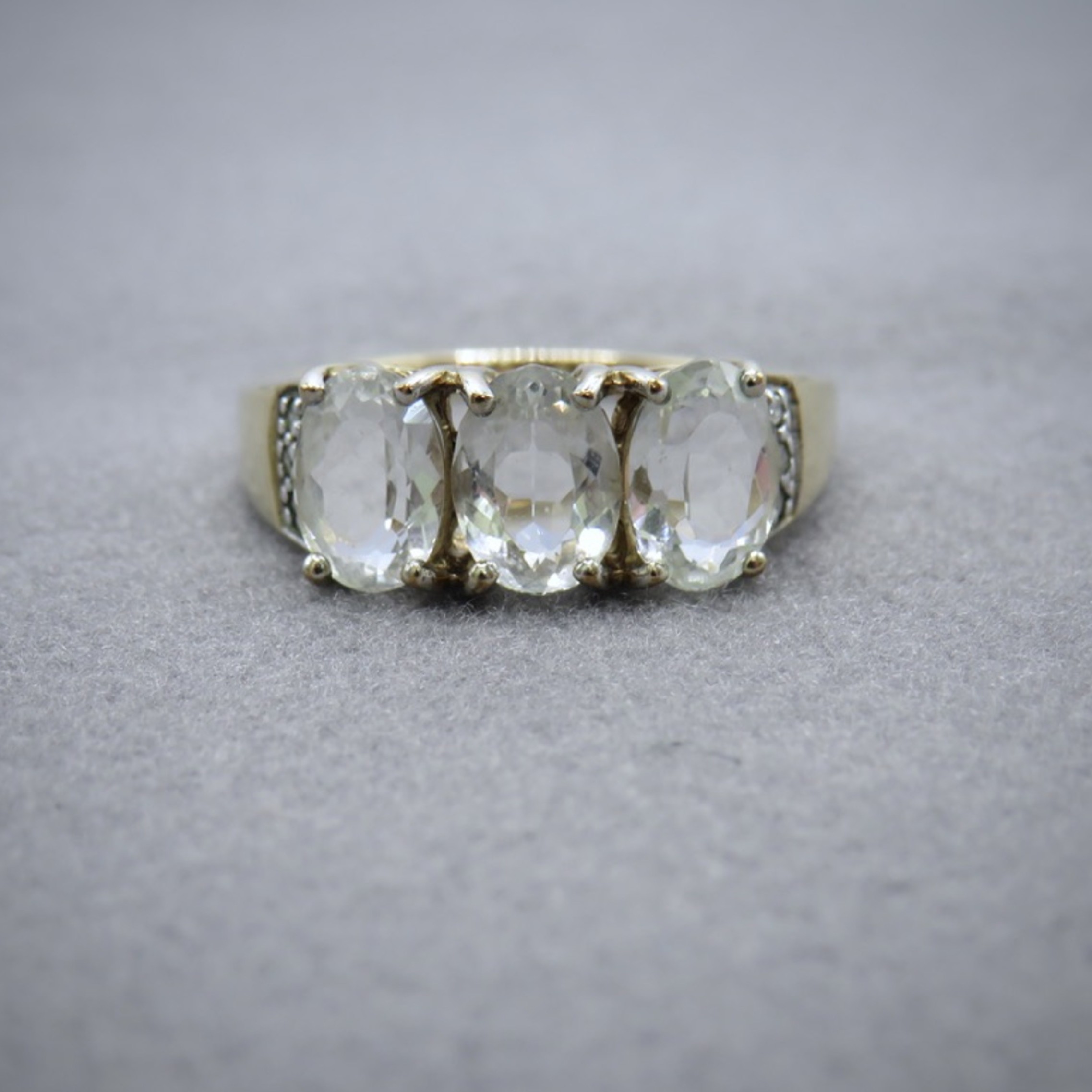
Goshenite is the pure, colourless form of beryl. Crisp, clean and understated, it offers a minimalist alternative to more traditional white gemstones.
Where It Comes From
Found in places such as:
Brazil
China
Madagascar
USA
Properties
Mohs hardness: 7.5–8
Often transparent and clean
Durable enough for jewellery
Pros
✔ Elegant and unusual alternative
✔ Clean, modern aesthetic
✔ Generally affordable
✔ Perfect for those who love subtlety
Cons
✘ Less brilliance than diamond
✘ Less widely known
✘ Fewer ready-made options on the high street
Cost
Typically one of the more affordable members of the beryl family.
Fun Fact
Historically, goshenite was once used in lenses and optical tools.
Which Beryl Is Right for You?
There is no universal “best” gemstone. The right choice depends on your style, lifestyle and what you want your jewellery to say.
Choose Emerald if you love:
Rich colour, timeless glamour and classic luxury.
Choose Aquamarine if you love:
Fresh elegance, wearability and calm sophistication.
Choose Morganite if you love:
Romantic tones, softness and modern femininity.
Choose Goshenite if you love:
Minimalism, subtle sparkle and something a little different.
Are Beryls Good for Engagement Rings?
Yes — with thoughtful design.
Beryls can make wonderful engagement ring stones, particularly when paired with the right setting and realistic expectations for wear.
A few considerations:
Protective settings can help guard edges and corners
Remove rings for heavy lifting, gym work or gardening
Regular cleaning helps maintain sparkle
Some varieties (such as emerald) need more care than others
Aquamarine is often one of the easiest everyday options, while emerald may need the most mindful wear.
Final Thoughts
The beauty of the beryl family is its versatility.
Within one gemstone family you can find regal green, ocean blue, blush pink and crystal-clear elegance — each with its own personality, strengths and charm.
Whether you’re drawn to emerald, aquamarine, morganite or goshenite, the best gemstone is always the one that feels right for you.
If you’d like help turning that gemstone into a bespoke piece of jewellery designed to last for generations, I’d love to help.
Thinking About a Bespoke Gemstone Piece?
Whether you’re designing an engagement ring, remodelling inherited jewellery or creating something entirely new, choosing the right gemstone is where the story begins. Get in touch to start yours.
Related Articles
Stand Out from the Crowd: Alternative Gemstones
They say Diamonds are a girl’s best friend, but maybe they aren’t after all…
Sapphires vs Rubies: Complete Guide to Corundum Gemstones
Sapphires and rubies are part of the same family – corundum. In this blog, we delve into these gemstones to find out more!